
Both RC planes and drones involve flying remote-controlled aircraft, but the experience of each is surprisingly different. RC planes emphasize skill-based piloting, building, and the satisfaction of keeping a fixed-wing aircraft in the air. Drones focus on stabilized flight, camera work, and either aerial photography or high-speed FPV racing. Your interests, budget, and available flying space should drive the decision.
01 The Flying Experience
RC planes fly like actual aircraft.
They need forward momentum to generate lift, which means you are constantly managing speed, altitude, and orientation. Turns require banking, and a stall from too little speed means the plane drops. Wind affects everything. Takeoffs and landings are their own skill set that takes practice to master.
This is what makes planes rewarding. Every flight is an active engagement with the aircraft and the conditions.
You develop genuine piloting instincts over time, and the feeling of pulling off a smooth landing in a crosswind is deeply satisfying.
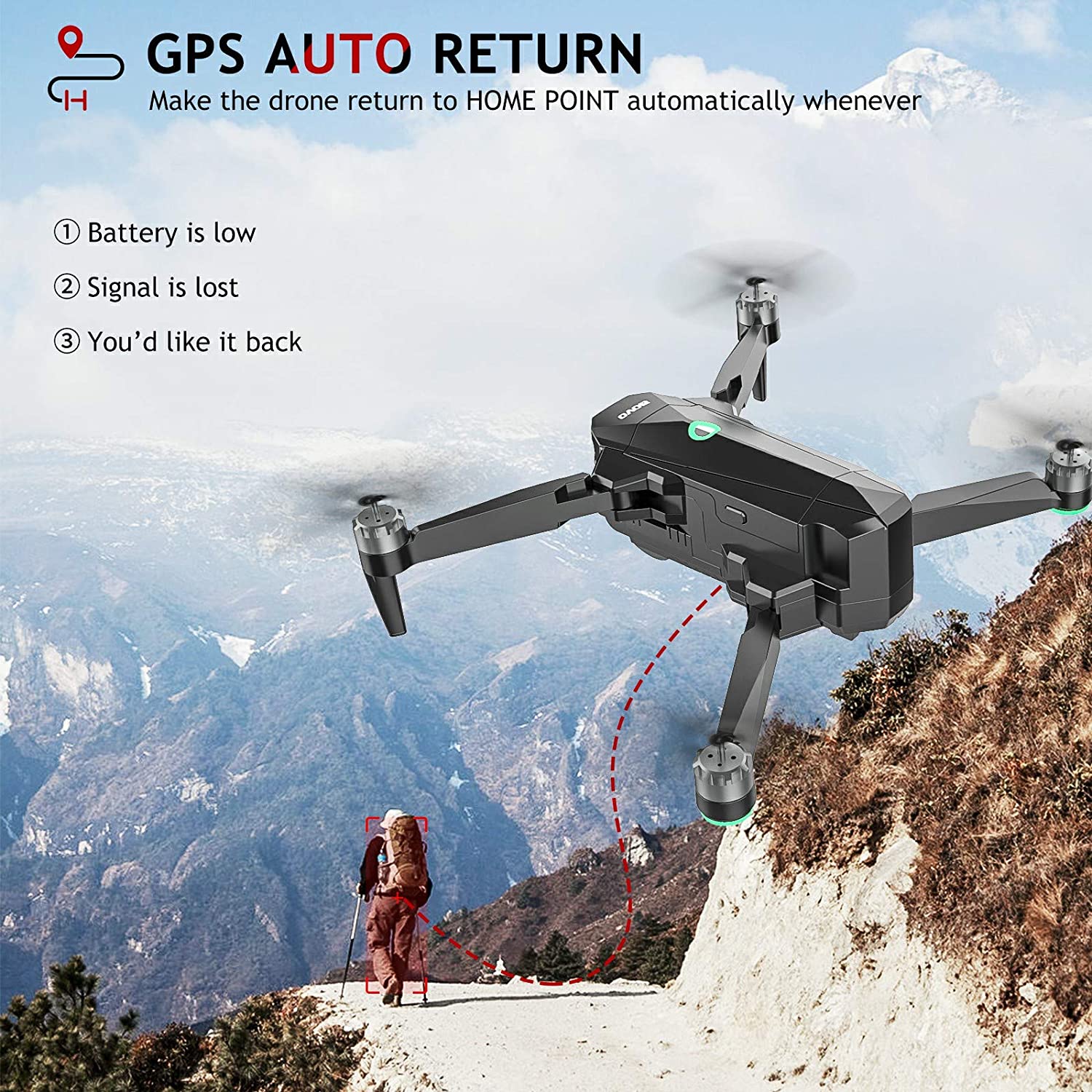
Drones, particularly multirotors, are inherently stable. Flight controllers with gyroscopes and accelerometers keep the drone level and stationary when you release the sticks. GPS-equipped drones hold their position in space automatically. This means the barrier to basic flight is much lower since the technology does most of the stabilization work.
FPV racing drones are the exception.
Flying an FPV quad in acro mode with the stabilization turned off is extremely skill-intensive. The drone does exactly what you tell it and nothing more, which means crashes happen constantly while you learn. The learning curve for FPV racing is arguably steeper than for RC planes because the speed and responsiveness are so extreme.
02 Cost to Get Started
A beginner RC plane setup costs between $100 and $250 for a ready-to-fly foam trainer like the E-flite Apprentice or HobbyZone Sport Cub.
These include the plane, transmitter, receiver, battery, and charger. You can be flying the same day you buy it.
A beginner camera drone like the DJI Mini 4K starts around $300. It includes the drone, controller, battery, and camera. GPS stabilization and return-to-home features make it very beginner-friendly. For FPV racing, a starter setup with goggles, transmitter, and quad costs $300 to $500.
Ongoing costs differ. RC planes crash. Foam planes are repairable with CA glue and packing tape, but major crashes require replacement parts or a new airframe.
Drone crashes tend to be less damaging at the beginner level since modern drones have obstacle avoidance and failsafe features, but replacing a broken motor or camera gimbal on a DJI drone costs more per part than fixing a foam plane.
Battery costs are comparable for both hobbies. LiPo batteries for either aircraft type run $15 to $40 each, and you will want at least two to extend your session time.
03 Space Requirements
RC planes need open space.
A lot of it. A beginner trainer with a 3 to 4 foot wingspan needs a field at least 200 meters long and clear of trees, power lines, and buildings. Finding suitable flying sites can be challenging depending on where you live. Many communities have dedicated RC flying fields maintained by local clubs, and joining a club is the easiest way to access safe flying space and experienced pilots who can help you learn.
Small drones can fly in much tighter spaces.
A camera drone can operate effectively from a park, a backyard, or even an open parking lot. FPV racing drones need more room, but still less than a fixed-wing plane. Some FPV pilots practice in their backyards or local parks, though always check local regulations about where drone flight is permitted.
Indoor flying is possible with micro drones and small FPV quads but impractical for all but the smallest RC planes.
If you want to fly year-round regardless of weather, a small indoor drone has an advantage.
04 Regulations and Legal Requirements
In the United States, both RC planes and drones fall under FAA regulations if they weigh more than 250 grams (0.55 pounds). You need to register your aircraft, pass the TRUST recreational pilot test, and follow community-based organization guidelines. The rules are the same for planes and drones.
Drones face additional scrutiny in many areas because of privacy concerns and incidents involving commercial airspace. Some parks and public spaces have banned drone flights while still allowing RC planes at designated flying fields. Check your local rules before flying either type of aircraft.
Flying over people, near airports, and above 400 feet is restricted for both hobby drones and RC planes.
These rules exist for safety and apply equally regardless of what you are flying.
05 The Building and Tinkering Side
RC planes have a stronger tradition of building from scratch or from kits. Balsa wood construction, covering with heat-shrink film, and installing electronics is a craft that some people enjoy as much as the flying itself. The building process teaches you how planes work, and that knowledge helps you fly better and repair more effectively.
Many foam RTF planes also offer tinkering opportunities.
Swapping motors, upgrading to better servos, and adding lighting or camera mounts are common modifications. The modular nature of most RC planes makes upgrades straightforward.
Drones are more electronics-focused. Building an FPV racing drone from parts involves soldering flight controllers, ESCs, motors, and video transmitters. The skills are different from plane building but equally engaging if you enjoy electronics and firmware configuration.
Camera drones like DJI models are sealed consumer products with minimal modification potential.
06 Community and Social Aspects
RC plane clubs have been around for decades and tend to have established communities, dedicated flying fields, and regular meetups. The atmosphere is generally welcoming to beginners, and experienced members often help new pilots with their first flights. The social aspect of showing up to the field on a weekend morning and flying alongside other enthusiasts is a big part of the hobby for many people.
Drone communities are active online but have fewer physical meetups outside of organized racing events.
FPV racing leagues and freestyle meetups do exist and are growing, but the community is still younger and less established than the RC plane world.
07 Which One Should You Choose
Choose RC planes if you want to develop hands-on piloting skills, enjoy building and tinkering with mechanical things, have access to open flying fields, and appreciate the tradition of model aviation. The satisfaction of flying a plane you built yourself is hard to match.
Choose drones if you are interested in aerial photography or videography, want to fly in tighter spaces, prefer technology-heavy hobbies with software and electronics, or are drawn to FPV racing. The camera capabilities of modern drones open up creative possibilities that planes cannot offer.
There is no rule that says you cannot do both. Many RC hobbyists fly both planes and drones. Starting with one gives you foundational skills that transfer partially to the other. If budget allows one to start, pick whichever excites you more. Enthusiasm keeps you practicing, and practice is what makes you good at either hobby.